Overcoming Driving Anxiety Through Clinical Hypnotherapy and Targeted Cognitive Reprogramming
to a FinancialContent report, Orlando Hypnosis Center has formally launched a driving anxiety program, applying structured clinical hypnotherapy to a phobia that constrains independence, employment, and daily mobility.
Bernard Epping·updated September 05, 2026
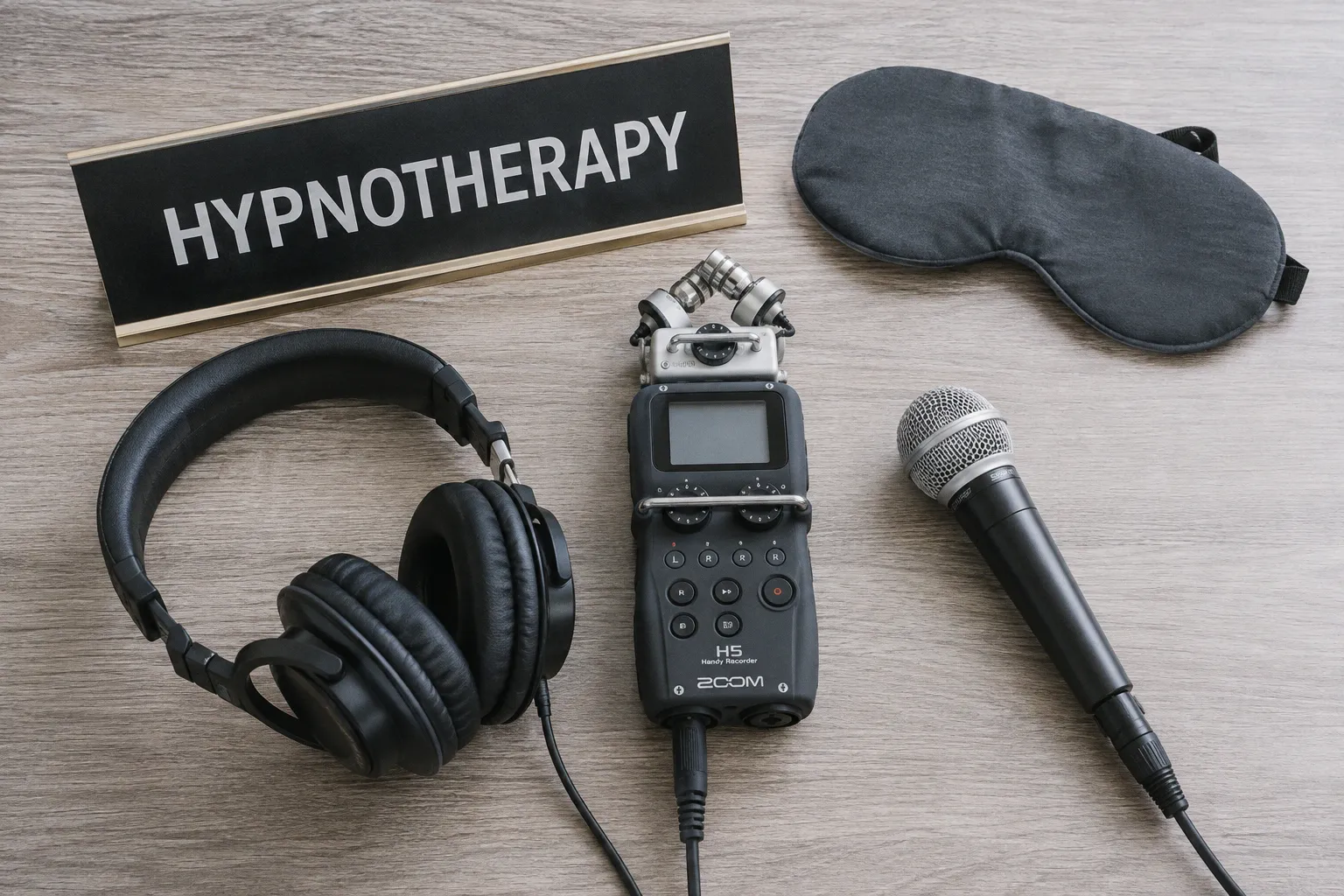
The program is led by Daniel Olson, a hypnotist with more than three decades of clinical experience and creator of the proprietary Olson Hypnosis Method™. The target is not the road itself. It is the anticipatory cognitive loop: catastrophic prediction, elevated heart rate, avoidance behavior reinforcing itself across repeated cycles.
How the protocol is structured
Driving anxiety presents on a spectrum. Mild freeway tension. Panic at highway speeds. Total avoidance of the driver's seat. According to the report, Olson stated that fears and phobias — driving anxiety among them — rank as some of the most common concerns his center treats. The protocol targets root causes: the cognitive distortions and somatic markers that lock the fear response in place. Sessions are tailored to each client's specific history with the trigger rather than applied as a generic template.
A client identified in the report, Amanda, described measurable improvement after three sessions focused on I-4 corridor driving through Orlando. She noted discovering effective techniques for managing anxiety and feeling equipped afterward with practical tools to cultivate a more positive mindset and regain control over various aspects of her life. The trajectory aligns with the clinical literature on targeted phobia work: brief intervention, rapid somatic down-regulation, measurable shift in the client's relationship to the trigger.
The institutional signal worth tracking
A separate TribLIVE.com headline indicates that UPMC will close its Shadyside center focused on "natural healing practices." The development matters for practitioners in hypnotherapy, biofield modalities, and complementary care. Institutional adoption of these modalities tends to follow a specific arc: pilot phase, integration, quiet closure when patient volume or reimbursement fails to justify the infrastructure. Hypnotherapy's evidence base in targeted phobias, anxiety, and habit disruption tends to hold institutional ground. Broader healing modalities without comparable indication specificity face a steeper path inside hospital systems.
The filter for practitioners and clients is straightforward. Indication specificity and measurable outcomes remain the currency that keeps a modality viable in institutional settings. For clients seeking help with sleep disruption, generalized anxiety, or a specific phobia, the track record in targeted conditions is the criterion worth applying when selecting a method or practitioner. Programs built around a defined mechanism and a measurable endpoint — as Olson's driving anxiety protocol appears to be — offer a clearer basis for that selection than modalities framed around diffuse wellness outcomes.