Bridging Clinical Care and Holistic Healing for Total Well-Being
Fox2Now recently highlighted Meda Integrative Family Medicine as a practice working to bring health, wellness, and confidence together under one roof.
Angela Dinsmore·updated September 06, 2026
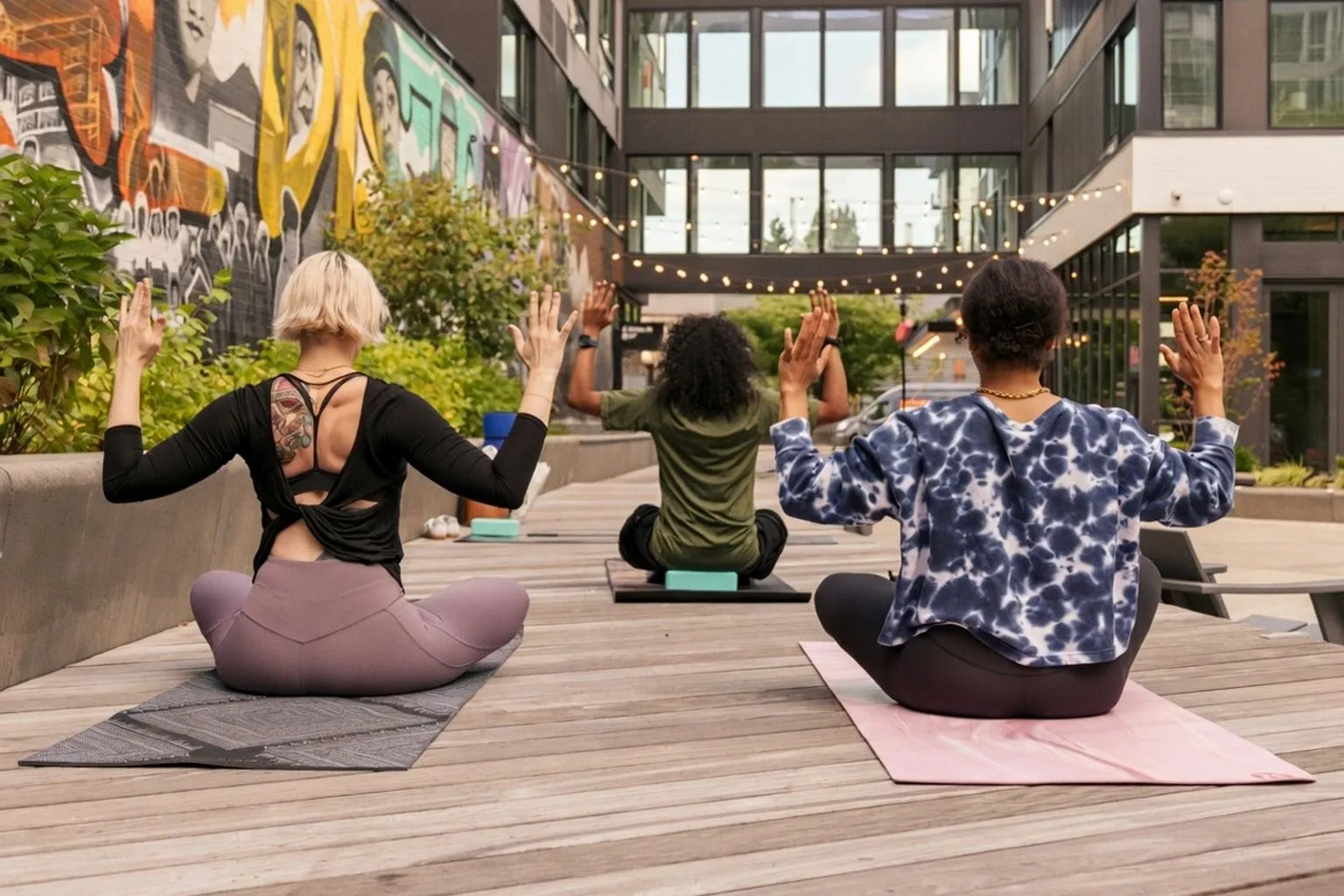
When Your Body Asks for More Than One Kind of Care
You know that tight place between your shoulder blades that no single appointment seems to touch — the one that holds the week's tension, the old habit, the quiet fatigue no blood panel will catch? More people are feeling that particular ache these days, and they're beginning to ask a broader question: what if the answer isn't just one modality, but a conversation between several?
The details beyond the headline remain limited, but the framing itself signals something worth noticing. Meanwhile, reporting from Bona Magazine maps a wider shift in how people — particularly those navigating stress, burnout, and mental-health strain — are reconsidering what real wellness looks like.
The Integrative Conversation Is No Longer Fringe
According to Bona Magazine's reporting, the wellness landscape is expanding. People are not abandoning conventional medicine; they are asking how different, appropriate forms of care can work together to support the whole person. Yoga, meditation, massage, acupuncture, nutrition-based programmes, and traditional healing practices are increasingly part of the picture. The World Health Organisation describes mental health as a state of well-being that helps people cope with life's stresses, realise their abilities, and contribute to their communities — a definition that naturally opens the door to complementary modalities.
This matters for anyone working with subtle energy or body-based practices. The conversation is shifting from "Is Reiki real?" toward "How does this fit alongside what my GP is already doing?" That's a different kind of trust being built — not through grand claims, but through quiet, consistent evidence of settling and regulation in the body.
Grounded Practitioners Are the Bridge
The Bona piece also flags something practitioners should sit with: rapid growth brings risk. Social media accelerates the spread of unproven treatments and exaggerated claims. A practice being described as "natural" or "holistic" does not automatically make it safe or effective. Herbal products, supplements, and certain therapies can interact with conventional medicines. The call is for credible practitioners, appropriate regulation, and consumer education.
For those of us facilitating somatic and energetic work, this is not a warning to shrink back. It is an invitation to lead with clarity. When you can articulate what a session does in terms the body already understands — tissue releasing, breath deepening, nervous system settling — you become the bridge between worlds that don't yet know how to speak to each other.
A Simple Place to Start
If this resonates with something you've been feeling — that pull toward integration, toward care that meets you as a whole person — try this right now. Place one hand on your sternum, the other on your belly. Breathe slowly into the space between your palms. Notice where tension lives. You don't have to fix it. Just let your hands anchor the attention there for three breaths. That small act of listening to your own body is the same quality of presence that makes integrative care work — whether it arrives in a clinic, a treatment room, or your own kitchen on a Tuesday morning.