How BRICS Policy Shifts Public Perception of Traditional Healing Modalities
The WHO reports that the New Delhi statement, issued 12 September 2026, dedicated a full paragraph to traditional, complementary and integrative medicine, referred to in policy language as TCIM.
Bernard Epping·updated September 20, 2026
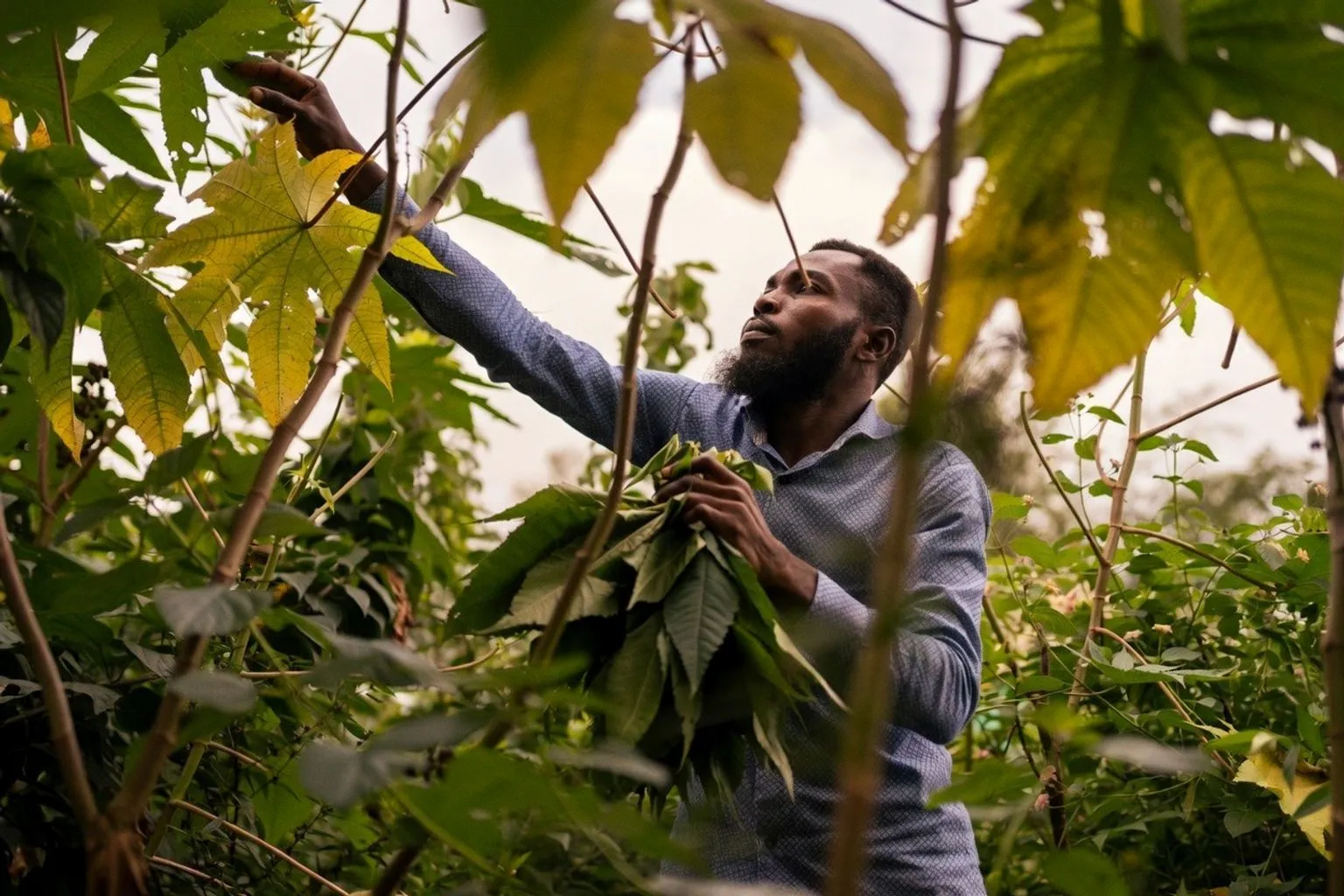
According to the World Health Organization, BRICS leaders have elevated traditional medicine from cultural footnote to coordinated policy in the New Delhi Declaration. The cognitive consequence of that reclassification matters more than the diplomatic language. When a political bloc of this size codifies a category, the brain's limbic filter adjusts, and client openness toward non-allopathic interventions measurably shifts.
The Mechanism Behind the Shift
Clinical reclassification follows a simple process: the brain codes what is endorsed separately from what is merely tolerated. Categorical endorsement at scale loosens that filter. Referral pathways shorten. Client attrition during intake falls. This is not persuasion. It is categorical re-updating at population scale.
It recognized commitments agreed by BRICS health ministers in July 2026 and formally welcomed a proposed BRICS Expert Working Group on TCIM under the BRICS Health Track. The architecture is deliberate: recognition, then operational committee, then regulatory coordination.
In the same release, India's Minister of State for the Ministry of Ayush and Health and Family Welfare described the working group as a platform for Member States to share knowledge, strengthen research, and advance evidence-based approaches.
What TCIM Codification Changes
TCIM now sits inside the same verifiable frame as allopathic medicine. The declaration prioritizes coordinated research on medicinal plants, herbal preparations, and shared traditional pharmacopoeias. It also reaffirms the requirement that practices and products meet standards for quality, safety, and efficacy through evidence-informed regulation tailored to national contexts.
For practitioners in adjacent fields, this carries two immediate consequences. The category gains regulatory weight. The discourse now expects documented outcomes. Hypnotherapy, NLP, Reiki, and biofield modalities sit adjacent to TCIM. They benefit when the broader category moves toward structured scrutiny. They suffer when the category remains opaque.
The declaration aligns directly with the WHO Global Traditional Medicine Strategy 2025–2034, which calls for stronger evidence, appropriate regulation, sustainable resource use, and selective integration into national health systems.
The Practical Adjustment
Three moves apply right now, for both practitioners and clients in this space.
First, audit the evidence base. Replace case-volume claims with measured outcomes: sleep latency, anxiety scores, subjective units of distress, pre- and post-session biomarkers where available. Evidence protects scope of practice the moment regulators begin drafting standards.
Second, screen for placebo-conflation. Clients who learned a modality is "traditional" often inflate expectancy beyond mechanism. Correct this inside the session, not before it. Decouple ritual from process. State plainly what an intervention does and does not do, in clinical language.
Third, map the referral network. Identify which local practitioners operate on documented outcomes and which operate on reputation alone. Refer to the former. A BRICS-level endorsement makes outcomes-based referral defensible at the policy level in a way it was not six months ago.
The Expert Working Group remains proposed, not established. Monitor its formation. Track any published evidence standards applied to TCIM modalities. Note which national regulators move first. These signals will shape the operating environment for every hypnotherapist, coach, and energy practitioner in the coming cycle.
Policy does not transform clinical practice. It transforms client expectation. Expectation shapes behavior. Behavior shapes outcome.