Niapept
Read our factual Niapept review. Discover the manufacturer claims, ingredients like Argireline, and what to consider before buying this anti-ageing cream.
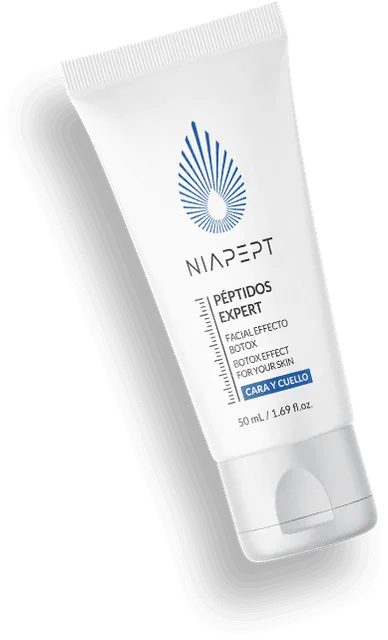
Niapept is an anti-ageing product marketed in the form of a cream, aimed at individuals looking to address visible signs of skin ageing. «According to the manufacturer», it is designed to reduce wrinkles and firm the skin, providing a younger-looking face. Please note that while often discussed in the context of wellness routines, a food supplement is not a medicine, and this topical cream is intended for cosmetic application rather than medical treatment.
- «According to the manufacturer», the cream reduces the appearance of wrinkles.
- «According to the manufacturer», the product helps to firm the skin.
- «According to the manufacturer», it provides an effect similar to botox without injections or painful procedures.
- «According to the manufacturer», it helps the face look younger at 55 than at 38.
Manufacturer information — not a promise of results.
USD59
Price at the vendor, may differ
Go to the vendorPrice checked: September 14, 2026
Food supplements are not a substitute for a balanced diet or medical advice. If you have health concerns, please consult a doctor.
Strengths
- Contains well-known skincare ingredients like hyaluronic acid and niacinamide.
- Offers a non-invasive topical alternative for those looking to avoid cosmetic injections.
- The price of 59 USD is clearly stated upfront for potential buyers.
Weaknesses
- Efficacy claims come entirely from the manufacturer.
- Ingredient amounts are not disclosed.
- No independent studies on this product.
- Comparing a topical cream to medical procedures may set unrealistic expectations.
««According to the manufacturer», the cream reduces the appearance of wrinkles.» — Manufacturer statement
Our assessment
When evaluating Niapept, it is crucial to separate the marketing claims from realistic dermatological expectations. The central claim—that «according to the manufacturer», this cream provides an effect similar to botox without injections—relies heavily on the inclusion of Argireline. While Argireline is indeed a synthetic peptide studied for its mild muscle-relaxing properties when applied topically, comparing it directly to botulinum toxin injections is a significant stretch. Injectables work deep within the muscle tissue to temporarily paralyze it, whereas a topical cream must first penetrate the stratum corneum (the outermost layer of the skin) to reach its target. The molecular size of peptides often limits their penetration depth, meaning the visible reduction in wrinkles will be far more subtle and temporary than what clinical procedures can achieve. Therefore, consumers should approach the botox-like promises with a healthy degree of skepticism, understanding the biological limits of topical application.
The supporting ingredients in Niapept, namely niacinamide and hyaluronic acid, are genuinely well-regarded in the skincare community and have decades of research behind their general efficacy. Niacinamide is a versatile antioxidant that can help support the skin's moisture barrier, regulate sebum production, and improve overall texture. Hyaluronic acid is an excellent humectant that temporarily plumps the skin by drawing in moisture from the environment. However, because the exact concentrations of these ingredients are not disclosed, it is impossible to determine if they are present in clinically effective amounts. A product might contain only a trace amount of a famous ingredient just to feature it prominently on the label. Furthermore, it is important to reiterate that a food supplement is not a medicine, and similarly, a cosmetic cream cannot cure underlying dermatological conditions or halt the biological ageing process.
Ultimately, Niapept cannot replace a comprehensive, scientifically backed skincare regimen that includes daily broad-spectrum sun protection, a balanced diet, and healthy lifestyle choices. It also cannot replace the profound structural changes offered by professional dermatological treatments like laser resurfacing, chemical peels, or actual neuromodulator injections. While the cream may offer superficial hydration and a temporary plumping effect that softens the look of fine lines, the headline asking why at 55 the face is younger than at 38 is a classic marketing hook designed to evoke an emotional response rather than a scientifically guaranteed outcome. Consumers should focus on consistent, long-term skin health rather than searching for overnight miracles in a jar.
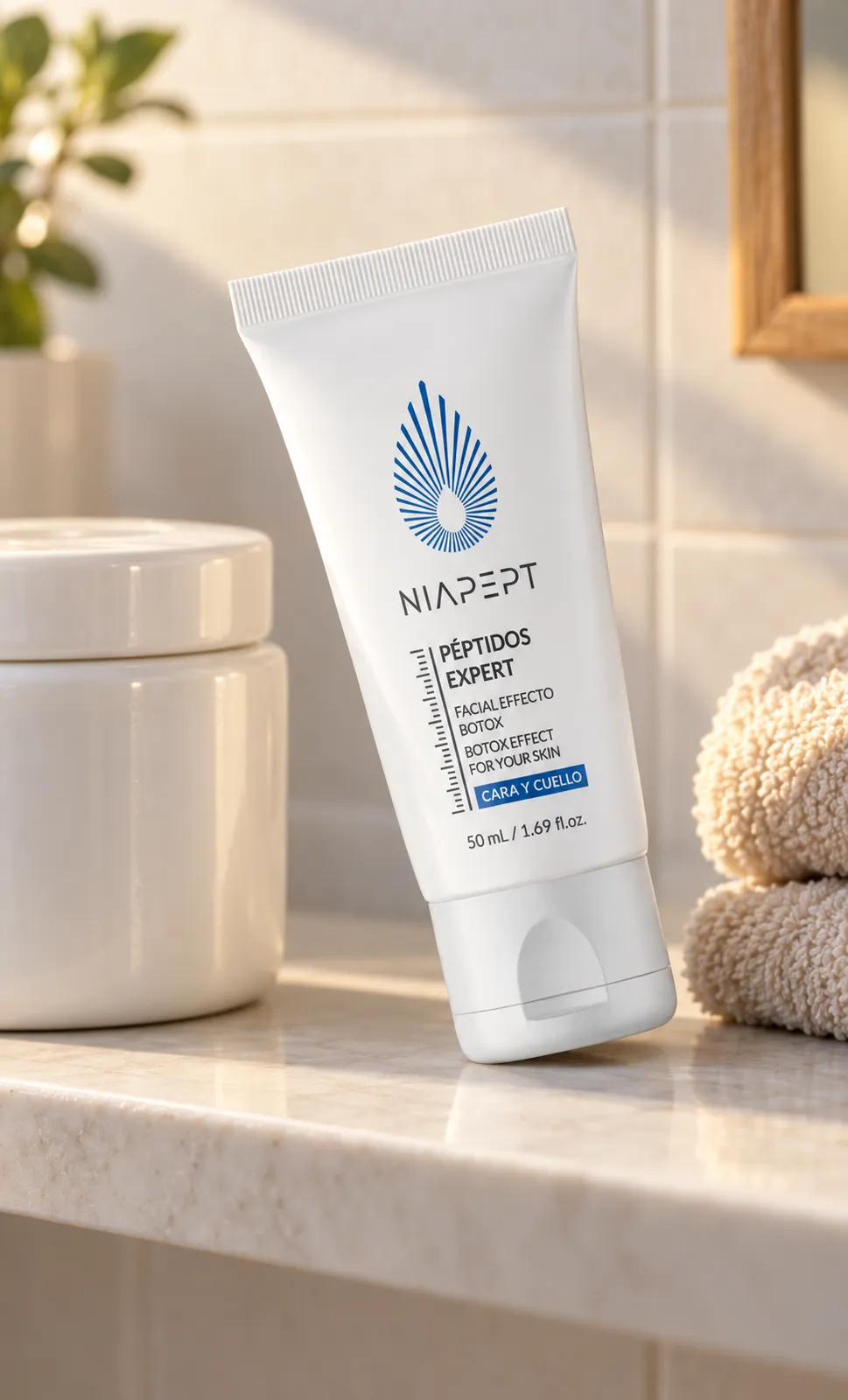
How to use it
Please follow the manufacturer's package insert. It is generally advisable to apply new cosmetic creams to a small patch of skin first to check for any adverse reactions before incorporating them into a daily routine.
Background: understanding Anti-ageing
The field of anti-ageing encompasses a wide array of scientific, medical, and cosmetic approaches aimed at slowing down, masking, or reversing the visible and physiological signs of getting older. Biologically, skin ageing is driven by two main processes: intrinsic and extrinsic ageing. Intrinsic ageing is the natural, genetically determined process that occurs over time, leading to a gradual decline in collagen production, slower cell turnover, and a reduction in the skin's natural ability to retain moisture. This results in the inevitable formation of fine lines, thinning of the epidermis, and a loss of underlying fat and elasticity. Extrinsic ageing, on the other hand, is caused by environmental and lifestyle factors. The most significant of these is ultraviolet (UV) radiation from the sun, which causes photoageing by breaking down collagen and elastin fibers in the dermis. Other extrinsic factors include pollution, smoking, poor nutrition, and chronic stress, all of which generate free radicals that accelerate cellular damage and degrade the skin's structural integrity.
To combat these processes, the anti-ageing industry heavily researches topical ingredients that can either protect the skin from further damage or stimulate repair mechanisms. Antioxidants are widely used to neutralize free radicals, thereby preventing oxidative stress and subsequent collagen degradation. Humectants and emollients are employed to restore the skin's barrier function and temporarily plump the skin by drawing in water, which visually minimizes the depth of wrinkles. Furthermore, peptides—short chains of amino acids—are frequently formulated into serums and creams. They act as messengers, signaling the skin to perform specific functions such as producing more collagen or, in some cases, attempting to interrupt the neural signals that cause facial muscles to contract. While topical treatments are a cornerstone of daily maintenance, they are fundamentally limited by the skin's primary function as a highly effective barrier, which heavily restricts the penetration of many active compounds into the deeper dermal layers.
Beyond topical applications, a holistic approach to anti-ageing emphasizes the absolute importance of internal health and preventative measures. Dermatologists universally agree that daily application of broad-spectrum sunscreen is the single most effective anti-ageing strategy available, far surpassing the efficacy of any corrective cream. Additionally, maintaining a nutrient-rich diet full of antioxidants, staying adequately hydrated, and ensuring sufficient sleep play critical roles in cellular regeneration and overall skin health. When non-invasive methods reach their limits, many individuals turn to dermatological procedures such as chemical peels, laser therapy, or neuromodulator injections to achieve more dramatic results. It is important to recognize that no single cream, serum, or supplement can halt the ageing process entirely, and maintaining realistic expectations is vital when navigating the vast, often confusing landscape of anti-ageing solutions.
Who is this product for?
Worth a look for
- Individuals looking for a non-invasive topical skincare product to add to their routine.
- Consumers specifically interested in cosmetic formulas containing peptides, niacinamide, and hyaluronic acid.
- People who want to temporarily hydrate and plump their skin to reduce the appearance of fine lines.
- Those who are willing to spend 59 USD on an unverified, manufacturer-claimed anti-ageing cream.
Rather not suited for
- Individuals seeking dramatic, medical-grade results comparable to actual injectable treatments.
- Consumers who require full transparency regarding the exact concentrations of active ingredients.
- People with severe skin conditions who should consult a dermatologist before trying new products.
Reviews: what to look out for
When navigating user reviews for anti-ageing creams and similar wellness products online, readers must exercise a high degree of skepticism and critical thinking. The internet is flooded with anecdotal evidence, and it is often incredibly difficult to distinguish between genuine customer experiences and fabricated testimonials designed solely to drive sales. Many reviews may feature dramatic before-and-after photos that can easily be manipulated through changes in lighting, facial expressions, makeup application, or digital editing software. Furthermore, individual skin types vary wildly; a cream that temporarily plumps the skin of one user might cause a severe breakout, an allergic reaction, or have absolutely no visible effect on another. Therefore, subjective reviews should never be taken as scientific proof of efficacy or a guarantee of personal results.
It is also absolutely essential to maintain realistic expectations when reading glowing praise about a product's ability to erase wrinkles, lift sagging skin, or perfectly mimic medical procedures. Often, the immediate results praised in enthusiastic reviews are simply the result of intense surface hydration, which swells the uppermost layers of the skin and temporarily masks fine lines. This is a purely cosmetic effect, not a structural reversal of the ageing process or a permanent physiological change. Readers should actively look for detailed, balanced reviews that discuss not only the perceived benefits but also the texture, absorption rate, scent, and any potential downsides of the product, rather than relying on overly enthusiastic claims of miraculous, overnight transformations.
Editorial verdict
Niapept may be worth a look for individuals who are actively seeking a non-invasive addition to their daily skincare routine and are specifically interested in exploring peptide-based creams. If you are comfortable spending 59 USD on a product that utilizes well-known hydrating and barrier-supporting ingredients like hyaluronic acid and niacinamide, this cream could serve as a moisturizing step in your daily regimen. However, it is not recommended for those expecting dramatic, surgical-level transformations or a literal replacement for medical injectables. Consumers who require full transparency regarding ingredient concentrations or those who rely exclusively on independently clinically tested products should likely explore other options on the market.
- Argireline (peptide)
- Niacinamide
- Hyaluronic acid
- Argireline (peptide)Argireline is a synthetic peptide that is generally known in the cosmetic industry for its ability to temporarily limit the movement of facial muscles, which is often discussed in relation to the formation of dynamic wrinkles.
- NiacinamideAlso known as vitamin B3, niacinamide is widely recognized for its general role in supporting the skin barrier, reducing transepidermal water loss, and evening out skin tone when applied topically.
- Hyaluronic acidHyaluronic acid is a naturally occurring glycosaminoglycan known for its exceptional capacity to bind and retain water molecules, making it a common hydrating agent in skincare formulations.
What exactly is Niapept and what is it used for?
Niapept is an anti-ageing product formulated as a cream. «According to the manufacturer», it is designed to reduce the appearance of wrinkles and firm the skin. It is marketed as a topical alternative to invasive cosmetic procedures, though it should be noted that a food supplement is not a medicine, and this cream is strictly for cosmetic use on the skin.
How does the manufacturer claim this product works?
«According to the manufacturer», the cream utilizes a peptide called Argireline to deliver an effect similar to botox, aiming to smooth out wrinkles without the need for painful injections or clinical procedures. The formulation also relies on niacinamide and hyaluronic acid to support skin hydration and firmness.
Are the exact amounts of the ingredients known?
No, the exact concentrations and dosages of Argireline, niacinamide, and hyaluronic acid within the Niapept formula are not disclosed. The manufacturer lists the active ingredients, but the specific formulation ratios and overall quantities remain proprietary information.
Can this cream truly replace botox injections?
While «according to the manufacturer» the cream has an effect similar to botox, a topical product cannot replicate the exact physiological effects of a medical injection. Creams work on the surface layers of the skin, whereas injectables are placed directly into the muscle tissue to temporarily paralyze it. Expectations should be adjusted accordingly.
How should I apply the Niapept cream?
Please follow the manufacturer's package insert. Generally, it is recommended to apply such cosmetic creams to clean, dry skin and to perform a patch test on a small area of the jawline or inner arm before regular use to ensure there are no adverse allergic reactions.
How much does Niapept cost?
The price shown on our page for Niapept is 59 USD. Any additional costs, such as shipping fees, handling charges, or taxes, are not disclosed in the provided facts and may vary depending on the vendor.
Is there any scientific proof that Niapept works as advertised?
There are no independent clinical studies provided for this specific product formulation. The efficacy claims come entirely from the manufacturer. While individual ingredients like hyaluronic acid and niacinamide are generally known to hydrate and support the skin, the overall performance of this specific cream is not independently verified.
🛒Where can you buy Niapept?
You can order Niapept online only directly from the manufacturer via the official vendor page — that is the only way the current price and the original guarantee apply.
The product is usually not stocked in local pharmacies or drugstores; check the current price and availability with the vendor.
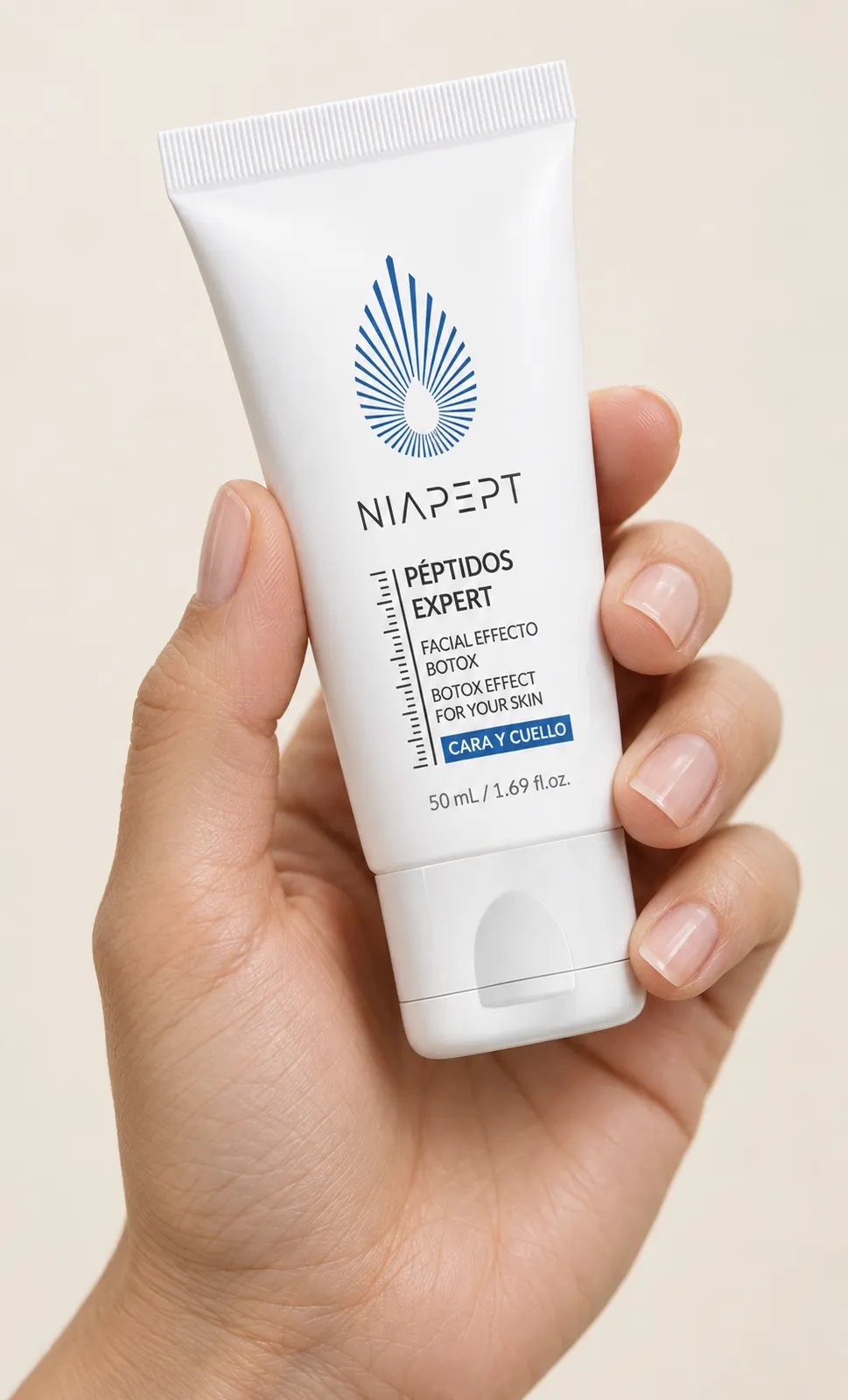 Go to the vendor
More products
 OmnilarJoints · USD59
 SeroBurnWeight control · USD59
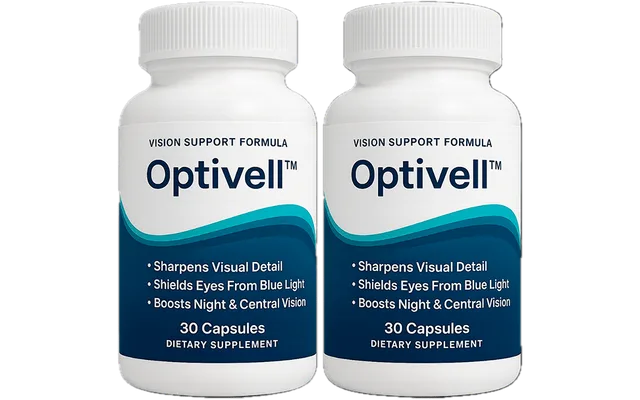 OptivellEyesight · Check the price
 Parabroom WWGut cleanse · USD49
Food supplements are not a substitute for a balanced diet or medical advice. If you have health concerns, please consult a doctor.
Advertising/affiliate notice: this article contains a partner link. We may earn a commission on purchases made through it.