Matcha Suri
Matcha Suri powder reviews, ingredients, use and realistic expectations for this weight-control supplement.
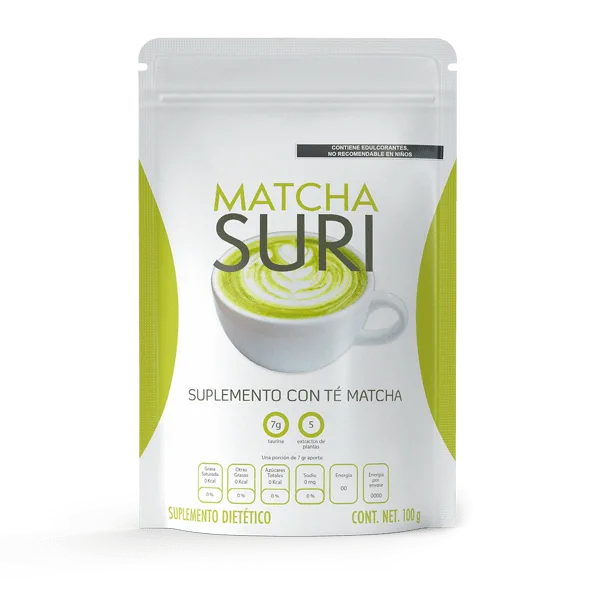
Matcha Suri is a powdered food supplement in the weight-control category. It is aimed at adults looking for a convenient supplement based on matcha tea and selected plant and food ingredients, while the manufacturer presents it as part of a weight-loss approach.
- According to the manufacturer, Matcha Suri helps users lose 20 kilograms in 28 days without dieting or exercise.
- According to the manufacturer, the formula blocks the accumulation of fat.
- According to the manufacturer, the product helps fight leptin resistance.
- According to the manufacturer, the formula is designed to support a major lifestyle change.
Manufacturer information — not a promise of results.
USD49
Price at the vendor, may differ
Go to the vendorPrice checked: September 14, 2026
Food supplements are not a substitute for a balanced diet or medical advice. If you have health concerns, please consult a doctor.
Strengths
- The product is offered in a simple powder form.
- The composition lists matcha tea, spirulina extracts, citric acid and maltodextrin, along with several compounds identified as part of the matcha profile.
- The manufacturer's intended use and headline claims are stated clearly.
Weaknesses
- No independent studies on this product are disclosed in the supplied information.
- The efficacy claims come from the manufacturer and are not independently verified here.
- Ingredient amounts, serving size and nutritional details are not disclosed.
- The information provided does not include delivery, guarantee or package terms.
«According to the manufacturer, Matcha Suri helps users lose 20 kilograms in 28 days without dieting or exercise.» — Manufacturer statement
Our assessment
The headline claim of losing 20 kilograms in 28 days without diet or exercise is exceptionally strong and should be treated with substantial caution. According to the manufacturer, Matcha Suri is intended to produce this result, but the supplied information contains no clinical study, independent verification or quantified evidence for that claim. A large, rapid change in body weight can also reflect fluid shifts and may not represent sustainable fat loss. A food supplement is not a medicine and cannot be assumed to treat obesity, leptin resistance or any other medical condition.
The ingredients are associated with different general areas of nutrition and research. Matcha provides tea compounds such as catechins and L-theanine, while riboflavin and retinol are nutrients with established physiological roles. Spirulina is commonly used as a nutrient-containing food ingredient, and citric acid and maltodextrin mainly have formulation functions. These general ingredient descriptions do not demonstrate that the finished product blocks fat accumulation or changes leptin signaling.
Matcha Suri cannot replace a balanced eating pattern, appropriate physical activity, sleep, or medical assessment where weight changes are substantial or difficult to explain. People seeking treatment for obesity, diabetes, eating disorders or other health conditions should not use a supplement as a substitute for professional care.
How to use it
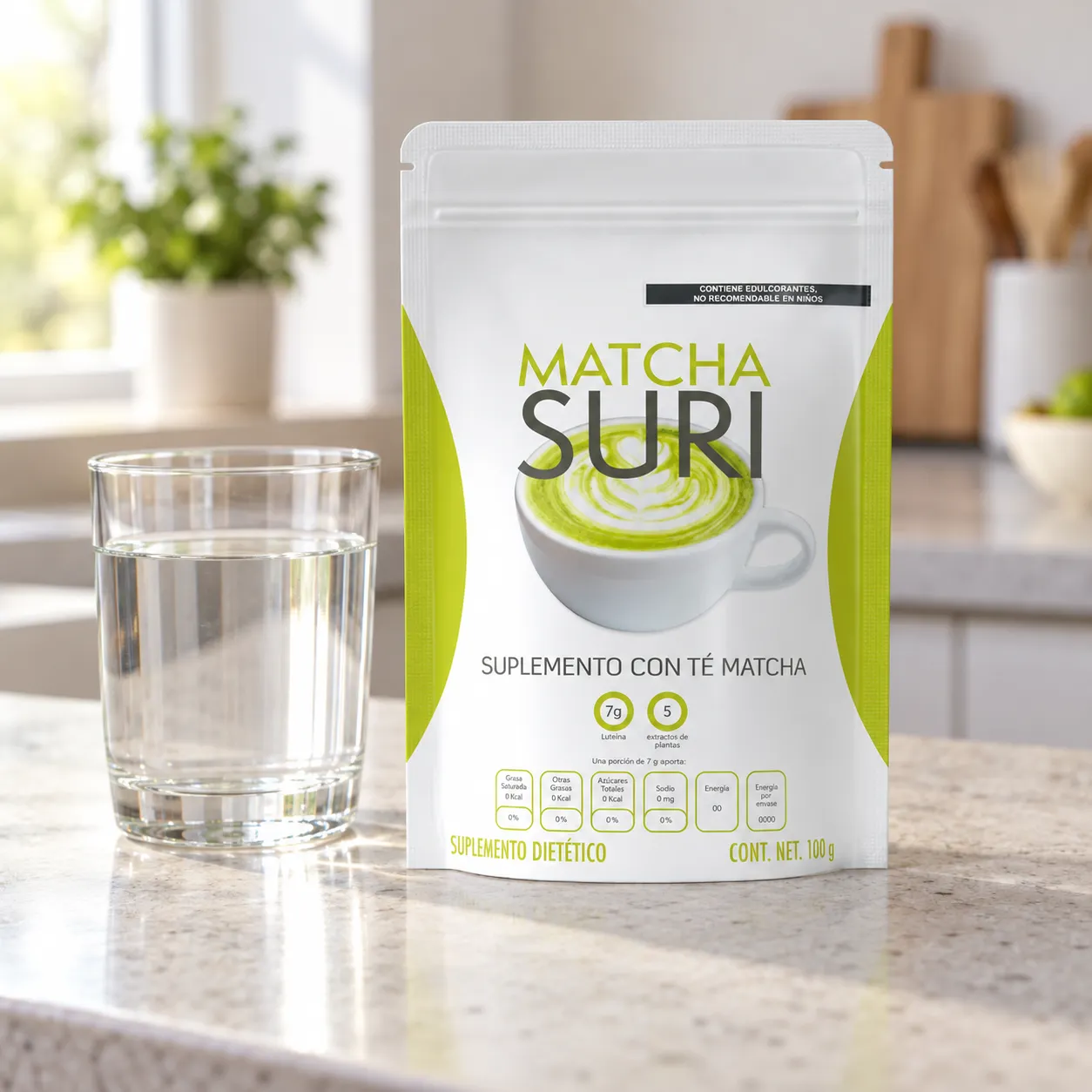
The vendor terms state that the formula should be taken twice daily. Follow the manufacturer's package insert for the serving instructions, preparation details and any safety information.
Background: understanding Weight control
Weight control is influenced by the relationship between energy intake, energy expenditure, appetite, sleep, stress, genetics, medications and broader health conditions. Body weight can also fluctuate because of fluid balance, digestive contents and hormonal changes, so short-term changes do not always show a lasting change in body fat. Sustainable weight management usually involves habits that can be maintained over time rather than a single product or brief intervention.
Food choices, portion patterns, protein and fiber intake, physical activity, sleep quality and psychological wellbeing can all affect weight-related behavior and energy balance. The most appropriate approach varies between individuals, particularly when someone has diabetes, thyroid disease, metabolic concerns, an eating disorder history or medicines that affect appetite or weight.
Supplements in the weight-control market often combine plant extracts, tea compounds, vitamins, acids or carriers. Their ingredient lists may sound familiar because individual substances have been studied in nutrition or laboratory settings, but evidence for an isolated ingredient does not automatically establish that a finished product works. Product quality, amounts, interactions and realistic expectations all matter.
Who is this product for?
Worth a look for
- Adults interested in reviewing a powdered matcha-based food supplement.
- Readers who want to compare the listed ingredients with their own needs.
- People willing to treat rapid weight-loss promises as claims requiring careful scrutiny.
- Consumers prepared to follow the manufacturer's package insert rather than improvise dosing.
Rather not suited for
- People seeking a guaranteed loss of 20 kilograms or a replacement for diet, activity and medical care.
- Anyone with a medical condition, medication concern or unexplained weight change should speak with a doctor first.
- People who require disclosed ingredient amounts and independent product research should skip it unless that information becomes available.
Reviews: what to look out for
When reading user reviews of weight-control supplements, look for specific and realistic details rather than dramatic before-and-after stories. Useful reviews should distinguish temporary changes in scale weight from sustained changes, describe how long the product was used, and avoid presenting personal experience as proof that the product works for everyone.
Readers should also watch for copied marketing language, undisclosed diet or exercise changes, unusually rapid results and claims that a product replaces medical treatment. Reviews cannot establish ingredient safety, dosage or clinical effectiveness, especially when the product does not disclose amounts or independent studies.
Editorial verdict
Matcha Suri may be worth a look for adults who want to examine a matcha-based powder and are prepared to assess its claims critically. It is not a good choice for anyone expecting a guaranteed rapid transformation, relying on a supplement instead of professional care, or unwilling to accept that ingredient amounts and independent evidence are not disclosed.
- Matcha tea
- Theophylline
- Riboflavin
- Retinol
- Chlorophyll
- L-theanine
- Catechins
- Spirulina extracts
- Citric acid
- Maltodextrin
- Matcha teaMatcha is powdered green tea and is generally discussed as a source of tea polyphenols and other naturally occurring compounds. Its nutritional profile can vary depending on cultivation and processing.
- TheophyllineTheophylline is a naturally occurring methylxanthine found in small amounts in tea. It is generally discussed in pharmacology and respiratory research, rather than as proof of a weight-control effect in a food supplement.
- RiboflavinRiboflavin, also known as vitamin B2, contributes to normal energy metabolism and the maintenance of normal cells. It is a nutrient, not a standalone guarantee of weight loss.
- RetinolRetinol is a form of vitamin A involved in normal vision, immune function and the maintenance of skin and other tissues. The supplied composition does not disclose the amount present.
- ChlorophyllChlorophyll is the green plant pigment involved in photosynthesis. It is commonly discussed as a plant compound, but its presence does not establish a weight-control outcome.
- L-theanineL-theanine is an amino acid naturally associated with tea. It is generally researched in connection with relaxation, attention and perceived stress, not as a proven substitute for established weight-management measures.
- CatechinsCatechins are polyphenolic compounds found in tea and are commonly studied for their antioxidant properties. Research on tea compounds should not be treated as evidence that this particular product produces the manufacturer's claimed results.
- Spirulina extractsSpirulina is a blue-green microorganism commonly used as a source of protein, pigments and some micronutrients. The type, concentration and nutritional content of the extracts in Matcha Suri are not disclosed.
- Citric acidCitric acid is a naturally occurring organic acid commonly used to provide acidity and support flavor or formulation stability. It is not generally regarded as a standalone weight-control ingredient.
- MaltodextrinMaltodextrin is a carbohydrate derived from starch and is commonly used as a carrier, bulking agent or texture ingredient in powdered products. The amount used in this formula is not disclosed.
What is Matcha Suri?
Matcha Suri is a powdered food supplement in the weight-control category. Its listed composition includes matcha tea, spirulina extracts, citric acid and maltodextrin.
What does the manufacturer claim Matcha Suri does?
According to the manufacturer, it helps users lose 20 kilograms in 28 days without dieting or exercise, blocks fat accumulation and fights leptin resistance. These are manufacturer claims, not independently established outcomes.
How should Matcha Suri be taken?
The vendor terms state that the formula should be taken twice a day. Follow the manufacturer's package insert for the precise serving and preparation instructions.
Does Matcha Suri contain only matcha?
No. The supplied composition also names spirulina extracts, citric acid and maltodextrin. It identifies the matcha as a source of theophylline, riboflavin, retinol, chlorophyll, L-theanine and catechins.
Are the amounts of the ingredients disclosed?
No. The supplied information names the ingredients but does not provide their quantities, serving size or a detailed nutrition panel.
Is Matcha Suri a medicine?
No. It is described as a food supplement, not a medicine. It should not be relied on to diagnose, treat or cure a medical condition.
Are the weight-loss claims independently proven?
No independent studies or other verification are disclosed in the information supplied for this page. The stated efficacy claims therefore remain manufacturer claims.
🛒Where can you buy Matcha Suri?
You can order Matcha Suri online only directly from the manufacturer via the official vendor page — that is the only way the current price and the original guarantee apply.
The product is usually not stocked in local pharmacies or drugstores; check the current price and availability with the vendor.
 Go to the vendor
More products
 SeroBurnWeight control · USD59
 Thermo Burn ProWeight control · Check the price
 Belly Button BlissWeight control · USD59
 NovuBurnWeight control · USD79
Food supplements are not a substitute for a balanced diet or medical advice. If you have health concerns, please consult a doctor.
Advertising/affiliate notice: this article contains a partner link. We may earn a commission on purchases made through it.